
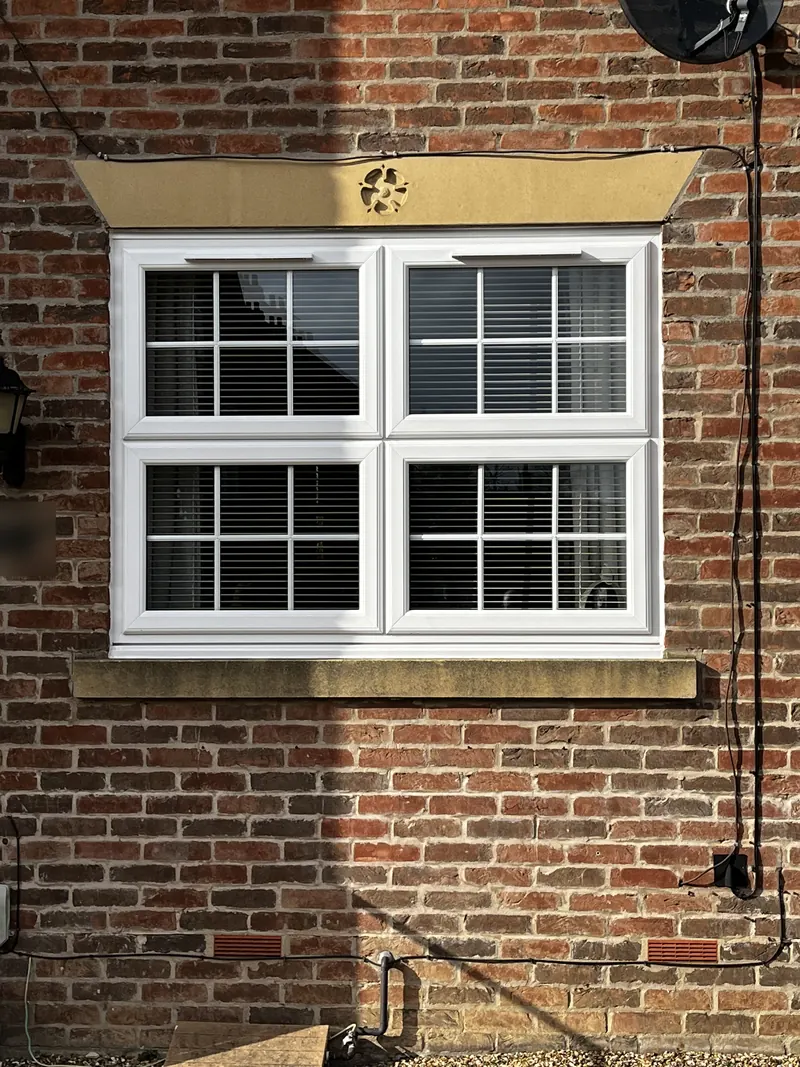
Double glazing windows are a popular feature in modern homes, offering excellent insulation, noise reduction, and energy efficiency. However, a common issue many homeowners face is condensation forming between the glass panes.
Understanding the causes of this problem and knowing when it’s time to replace your windows can save you money and maintain the comfort of your home.
In this blog, we will reveal some key points when it might be time to do just that.
Free tool: check which nights your windows are likely to steam up this week, using your postcode and window type.
We will cover everything you need to know about condensation problems in double glazing windows:
Causes of condensation
Why is condensation a problem?
Signs it’s time to replace your windows
Repair vs. replacement: what’s the best option?
Benefits of replacing double glazing windows
Preventing future condensation issues
As always, if you wish to speak to our team here at AWR Home Improvements then please get in touch as we’d be delighted to help. Simply call us on 0800 612 2127 or use the contact form.
What Causes Condensation in Windows?
Condensation between the panes of double-glazed windows occurs when the seal that holds the two glass panes together fails. This failure allows moisture to get into the space between the panes.
Here are the main causes:
• Seal Failure: After some time, the window seals can falter because of exposure to weather, temperature changes, as well as general wear and tear.
• Poor Installation: Improper installation can compromise the integrity of the window seal, leading to premature failure. We guarantee that this won’t be because we’ve initially installed it so make sure you choose a reputable company like us.
• Age of Windows: Older windows are more prone to condensation as materials naturally deteriorate over time. If your windows are over a decade old and you’re experiencing condensation issue, there is likely a correlation here to pay attention to.
• Temperature Fluctuations: Extreme changes in temperature can expand and contract the seals, eventually causing them to weaken. In certain areas of the UK sparse weather changes happen more commonly so be aware of this.
Why Is Condensation a Problem?
Condensation will occur most likely over long periods of time so don’t be too worried if you initially see it. However, it can be due to other things that will definitely need attention.
Condensation with double glazing windows may lead to:
• Reduced Insulation Efficiency: Moisture between panes reduces the insulating gas (like argon or krypton) effectiveness, leading to higher energy bills.
• Mould Growth: Persistent moisture can lead to lots of gross mould and mildew growth, which can affect indoor air quality and possibly cause health issues.
• Aesthetic Impact: Foggy, streaked windows simply don’t look very nice so if you have it, it’s likely you will want to get rid of it.
• Structural Damage: Condensation may occur because of structural damage to your windows but it may also cause damage should it stay too long. Be sure to regularly check your frames and uphold general maintenance tasks.
Signs It’s Time to Replace Your Double Glazing Windows
Recognising the signs of failing double-glazing windows can help you decide when it’s time to replace them. Look for these indicators:
• Persistent Condensation: Continuous fogging between the panes, even after cleaning, signals seal failure or something else that will need to be looked at professionally.
• Draughts and Cold Spots: Feeling draughts near the window can indicate that the insulating properties are compromised.
• Visible Damage: Cracks, chips, or warping in the window frame or glass point to structural failure.
• Increased Energy Bills: Higher heating or cooling costs may suggest that your windows are no longer energy efficient. Any excess money spent on utility bills should be alarming and could mean you need replacements.
Repair vs. Replacement: What’s the Best Option?
In some cases, repairing a window might be possible, but it’s important to weigh the benefits against replacement. Here are some key considerations to ponder when it comes to repair vs replacement:
If windows are old or extensively damaged, full replacement ensures restored efficiency and longevity for at least the next 10-20 years.
If condensation is on a small-scale and not causing major issues, you may able to benefit from repair and / or defogging. This be cost-effective but may only be a temporary fix.
If the frame is intact, you might replace just the glass pane, which is more cost-effective than a full window replacement.
Benefits of Replacing Double Glazing Windows
Investing in new double-glazing windows offers several key benefits:
• Improved Energy Efficiency: Modern windows use advanced glazing technologies and better seals to reduce heat loss. We have a tremendous range of products to choose from with modern properties so be sure to ask us about these if you wish to find out more.
• Enhanced Comfort: New windows eliminate draughts and condensation, maintaining a consistent indoor temperature. You’ll never regret investing in new double glazing windows.
• Increased Property Value: Upgraded windows can boost kerb appeal and increase your home’s market value. This may be particularly beneficial if you’re looking to sell in the near future.
• Lower Maintenance: Newer window designs often require less maintenance and offer better durability.
Preventing Future Condensation Issues
To get real longevity out of your new windows and prevent condensation problems:
• Regular Maintenance: Clean your windows bi-weekly and inspect seals regularly for signs of wear.
• Proper Ventilation: Ensure adequate ventilation in your home to control indoor humidity levels.
• Use Dehumidifiers: In high-humidity areas, using a dehumidifier can help maintain optimal moisture levels. This lessens the chance of condensation being able to be produced in the first instance.
• Invest in Quality Windows: When you buy replacement or repairs your windows make sure you buy quality materials and brands from reputable suppliers.
Contact AWR Home Improvements
Condensation between the panes of double-glazing windows is more than a cosmetic issue, it’s a sign that your windows may no longer provide proper insulation and protection. We hope we’ve provided some useful information in this blog to help you make the necessary next steps.In any case, our expert team is always on hand to help you. If you have any questions or would like to enquire about our support, simply call us on 0800 612 2127 or use the contact form and we will speak to you as soon as we can.