
Choosing the right windows for your home isn’t just about appearance. It’s a decision that can influence everything from energy efficiency to functionality and long-term value.
Two of the most popular styles homeowners often consider are sash windows and casement windows.
Each offers its own advantages and a few drawbacks, so it’s important to understand how they compare before making your decision.
In this blog, we’ll walk you through the key differences, benefits, and limitations of both window styles to help you choose the option that’s right for your home improvement project.
Here’s what we’ll cover:
• What Are Sash Windows?• What Are Casement Windows?• The Pros & Cons of Sash Windows• The Pros & Cons of Casement Windows• Which Should You Choose?
Seeking professional advice or a FREE quote for sash windows or casement windows? The AWR Home Improvements team is ready to help.
Call us on 0800 612 2127 or fill out our online contact form, and we’ll get back to you as soon as possible.
Sash Windows
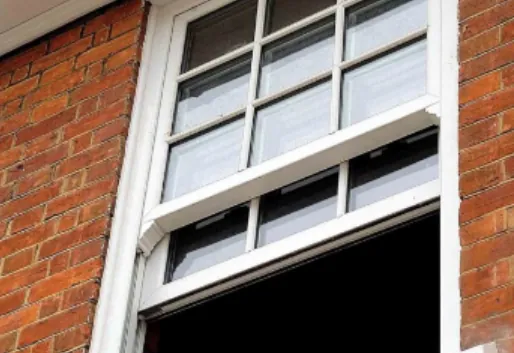
Sash windows have been a popular choice for homeowners since the 17th century, known for their timeless style and elegant design. They typically feature one or two movable panels, known as sashes, which slide either vertically or, in some cases, horizontally to open. Traditional sash windows operate using a system of pulleys and counterweights, while modern versions, often made from uPVC or other materials, use spring balances for smoother, more reliable operation.
The Pros of Sash Windows
• Timeless Aesthetic Appeal: Sash windows instantly evoke elegance and grandeur. Their balanced proportions and clean, symmetrical lines complement period properties including Georgian and Victorian homes while also adding character to contemporary designs.
• Space-Saving Design: Because the sashes slide vertically (or, less commonly, horizontally) rather than swing outward, sash windows are ideal where exterior clearance is limited. They work beautifully on busy high-street facades, tight patios, or any space where an outward-opening window might be impractical.
• Superior Ventilation Control: With independently movable top and bottom sashes, you can fine-tune airflow to suit your needs. Opening both sashes creates a convection effect which allows cool air in through the lower sash and warm air out through the upper sash while still maintaining a comfortable, draught-free environment.
• Safe Ventilation: For homeowners with children or pets, sash windows offer a safety advantage. You can ventilate a room by lowering only the top sash, keeping the bottom sash closed and out of reach, so you enjoy fresh air without risking anyone falling or climbing out.
The Cons of Sash Windows
• Higher Maintenance: Traditional wooden sash windows require ongoing upkeep to prevent common issues such as chips, swelling, sticking, and paint deterioration. Additionally, the pulley system may need occasional attention. This maintenance can be time-consuming, requiring regular care to ensure your windows perform at their best.
• Energy Efficiency Challenges: Older sash windows often feature single glazing, making them susceptible to drafts and energy loss. To improve energy efficiency, we recommend upgrading to modern sash windows with double glazing and using materials designed for better insulation and reduced heat transfer.
• Higher Costs: Due to their intricate design and craftsmanship, sash windows are typically more expensive than casement windows, particularly if you’re looking to replicate historical styles. Maintenance costs can also accumulate over time. However, modern uPVC sash windows offer a cost-effective alternative without sacrificing aesthetics.
Casement Windows
The Pros of Casement Windows
• Outstanding Energy Efficiency: Casement windows are known for their exceptional energy efficiency. The way the window seals tightly against the frame helps create a strong barrier against drafts, ensuring excellent insulation and reducing energy loss.
• Unobstructed Views: With large glass panels and minimal framing, casement windows provide expansive, unobstructed views, allowing you to enjoy the full scenery outside without distractions.
• Effortless Operation: Casement windows are incredibly easy to operate, even in hard-to-reach places, such as over kitchen sinks. With simple crank or handle mechanisms, these windows offer user-friendly functionality that suits any space.
• Design Versatility: Casement windows come in a wide variety of designs, styles, colours, and finishes, giving you the freedom to find the perfect match for your home’s aesthetic. Whether you prefer a traditional look or something modern, there’s a window for every style.
The Cons of Casement Windows
• Space Limitations: Casement windows open outward, which can be a challenge in areas with limited space, such as narrow pathways, gardens, or patios. It’s important to consider the surrounding area to ensure you have enough room to comfortably open and close the windows without obstruction.
• Vulnerability to Wind Damage: Due to their outward-opening design, casement windows can be more susceptible to wind damage if left open during storms. While this can be easily avoided by ensuring the windows are closed when bad weather hits, it’s something to keep in mind for homes in particularly windy areas.
• Ongoing Hardware Maintenance: While the operation of casement windows is simple, the hardware, such as cranks, handles, and hinges, can wear out or break over time, especially in lower-quality models. Regular maintenance and occasional part replacements may be necessary to keep your windows in good working order.
Which Option Is Most Suitable?
There’s no one-size-fits-all answer, as choosing the right windows depends on several factors. By considering your budget, personal preferences, and the specific needs of your property, you can begin to narrow down your options.
If you’re restoring a period property and want to maintain its historical charm, sash windows may be the better choice. They are perfect for preserving the character of older homes and are also ideal for areas where space is limited, as they don’t require exterior clearance to open.
On the other hand, if energy efficiency, security, and cost are your top priorities, casement windows might be the best option. They are highly efficient, secure, and cost-effective, making them ideal for modern properties. Plus, their versatility in design and finish ensures you’ll find something that complements your home’s style perfectly.
Ultimately, whether you opt for sash or casement windows comes down to what works best for your space and priorities.
Whichever you choose, both options offer lasting benefits that can enhance the look and feel of your home.
Contact AWR Home Improvements
AWR Home Improvements are always here to help you decide between sash and casement windows. Both options offer exceptional qualities that could be a great fit for your home. The key is to consider your specific needs and requirements in detail to make the best choice for you.
For more information about our products and services, or to get a FREE quote, don’t hesitate to reach out to the AWR Home Improvements team today. Call us on 0800 612 2127 or use the contact form, and we’ll respond to your enquiry as quickly as possible!